Hair Raising Solutions: The Best Treatments for Thinning Hair
Thinning hair can be a stressful and confidence-shaking experience for both men and women. It’s estimated that over 80 million people in the United States alone suffer from some form of hair loss, with the most common causes being genetics, hormonal imbalances, and age. However, with the advancements in medical technology and the emergence of innovative treatments, there is hope for those struggling with thinning hair.
Understanding Hair Loss
Before diving into the solutions, it’s essential to understand the different types of hair loss. Androgenetic alopecia, also known as pattern baldness, is the most common form of hair loss, accounting for over 95% of cases. It’s characterized by a gradual thinning of hair on the scalp, usually starting at the temples and crown. Other forms of hair loss include alopecia areata, an autoimmune disease that causes patchy hair loss, and telogen effluvium, a condition that leads to excessive shedding of hair.
Medical Treatments
For those experiencing mild to moderate hair loss, medical treatments can be an effective solution. Some of the most popular options include:
- Minoxidil: A topical solution applied directly to the scalp, minoxidil is proven to stimulate hair growth and slow down hair loss. It’s available over-the-counter and is often used in conjunction with other treatments.
- Finasteride: An oral medication, finasteride works by blocking the production of dihydrotestosterone (DHT), a hormone that contributes to hair loss. It’s commonly prescribed for men with androgenetic alopecia.
- Low-Level Laser Therapy (LLLT): LLLT uses a low-level laser or light-emitting device to stimulate hair growth. It’s thought to increase blood flow to the scalp, promoting a healthy environment for hair growth.
Surgical Solutions
For those with more extensive hair loss, surgical options may be the best course of action. Some of the most popular procedures include:
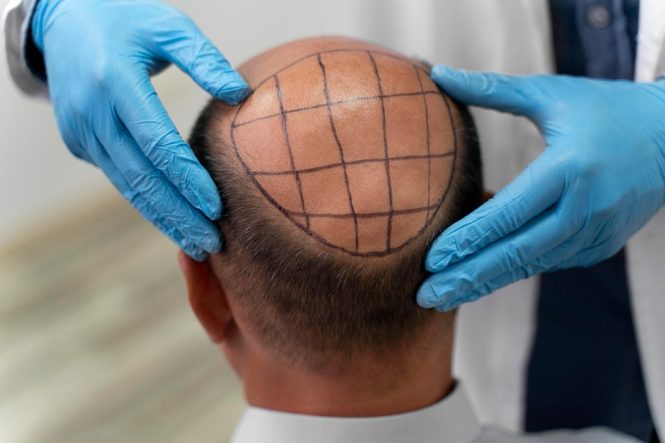
- Hair Transplantation: A minimally invasive procedure, hair transplantation involves moving healthy hair follicles from the back and sides of the head to the thinning areas. It’s a permanent solution that can provide natural-looking results.
- Scalp Reduction: A surgical procedure that involves removing a portion of the scalp and closing the remaining skin, scalp reduction can help reduce the appearance of baldness.
- Follicular Unit Extraction (FUE): A variation of hair transplantation, FUE involves extracting individual hair follicles from the donor area and transplanting them to the recipient site.
Alternative Solutions
For those who prefer a more holistic approach or are looking for a supplement to medical treatments, alternative solutions can be a viable option. Some of the most popular alternatives include:
- Platelet-Rich Plasma (PRP) Therapy: A non-surgical treatment, PRP therapy involves injecting platelet-rich plasma (PRP) into the scalp to stimulate hair growth.
- Hair Thickening Products: A range of products, including shampoos, conditioners, and styling products, can help thicken and strengthen hair, making it appear fuller and healthier.
- Dietary Changes: A balanced diet rich in vitamins and minerals, particularly those that promote hair growth such as biotin, vitamin D, and omega-3 fatty acids, can help support hair health.
Conclusion
Thinning hair can be a distressing experience, but with the vast array of treatments available, there is hope for those struggling with hair loss. Whether you opt for medical treatments, surgical solutions, or alternative approaches, it’s essential to consult with a healthcare professional or dermatologist to determine the best course of action for your individual needs. With the right treatment and a little patience, you can say goodbye to thinning hair and hello to a luscious, full head of hair.


