Don’t Let Hair Loss Get You Down: Expert Advice on Treatment and Prevention
Hair loss can be a devastating experience, affecting not only a person’s appearance but also their self-esteem and confidence. It’s a common problem that affects millions of people worldwide, with approximately 80 million men and women in the United States alone suffering from some form of hair loss. However, with the advent of modern technology and medical advancements, there are now various effective treatments and preventative measures available to help individuals combat hair loss.
Understanding Hair Loss
Before delving into the treatments and prevention methods, it’s essential to understand the causes of hair loss. There are several types of hair loss, including:
- Androgenetic alopecia: Also known as male/female pattern baldness, this is the most common form of hair loss, accounting for approximately 95% of all cases. It’s caused by the conversion of testosterone into dihydrotestosterone (DHT), which shrinks hair follicles, leading to thinning and eventual hair loss.
- Alopecia areata: An autoimmune disorder that causes patchy hair loss, often on the scalp, but can also occur on other parts of the body.
- Telogen effluvium: A condition characterized by excessive hair shedding, often caused by stress, hormonal changes, or nutritional deficiencies.
- Traction alopecia: Hair loss caused by constant pulling or tension on the hair, often due to tight hairstyles or excessive heat styling.
Treatment Options
Fortunately, there are various treatment options available to help combat hair loss. These include:
- Medications: Minoxidil (Rogaine) and finasteride (Propecia) are two commonly prescribed medications that can help slow down or even reverse hair loss. Minoxidil is applied topically to the scalp, while finasteride is taken orally.
- Hair transplantation: A surgical procedure that involves transplanting healthy hair follicles from the back and sides of the head to the balding areas.
- Low-level laser therapy (LLLT): A non-invasive treatment that uses low-level laser or light-emitting diodes to stimulate hair growth.
- Platelet-rich plasma (PRP) therapy: A treatment that involves injecting platelet-rich plasma (PRP) into the scalp to stimulate hair growth.
Prevention Methods
While treatment options are available, prevention is always the best approach. Here are some expert tips to help prevent hair loss:
- Maintain a healthy diet: Eating a balanced diet rich in vitamins and minerals, particularly those that promote hair growth such as biotin, vitamin D, and omega-3 fatty acids, can help prevent hair loss.
- Reduce stress: High stress levels can contribute to hair loss, so engaging in stress-reducing activities such as meditation, yoga, or deep breathing exercises can help.
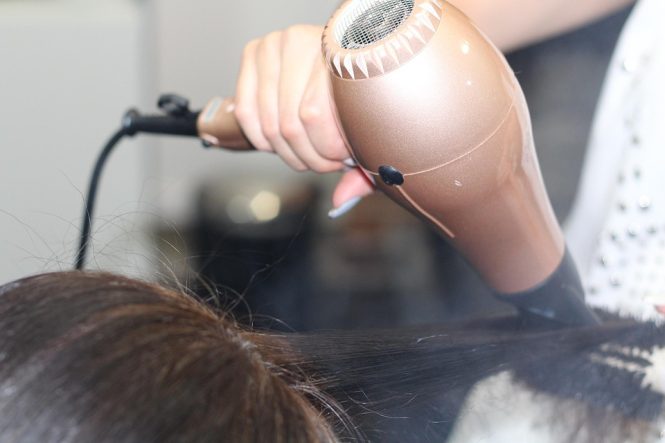
- Avoid excessive heat styling: Excessive heat styling can damage hair and lead to breakage, so it’s essential to use a heat protectant and avoid using heat styling tools too frequently.
- Use gentle hair care products: Using gentle, sulfate-free shampoos and conditioners can help prevent hair loss by reducing scalp irritation and promoting healthy hair growth.
Conclusion
Hair loss can be a challenging and emotional experience, but with the right treatment and prevention methods, it’s possible to combat it. By understanding the causes of hair loss and taking proactive steps to prevent it, individuals can reduce their risk of developing hair loss. Additionally, with the various treatment options available, those who are already experiencing hair loss can find effective solutions to help restore their hair and confidence. Remember, hair loss is not inevitable, and with the right approach, it’s possible to maintain a full and healthy head of hair.


