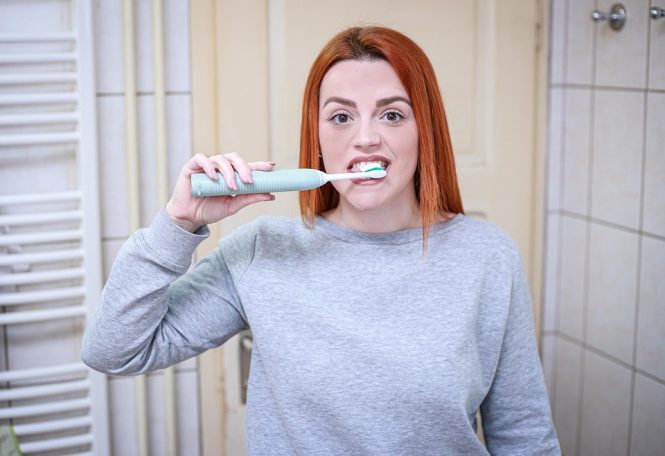
The Brushing Basics: What You Need to Know to Keep Your Teeth and Gums Healthy
Maintaining good oral hygiene is essential for a healthy smile and overall well-being. Brushing your teeth is one of the most critical habits you can develop to keep your teeth and gums healthy. However, many people are unaware of the proper techniques and best practices for brushing their teeth effectively. In this article, we will cover the brushing basics to help you keep your teeth and gums healthy.
Why Brushing is Important
Brushing your teeth helps remove plaque, a sticky film of bacteria, from your teeth. If left unchecked, plaque can lead to tooth decay, gum disease, and other oral health problems. Brushing also helps remove food particles and stains from your teeth, leaving your mouth feeling clean and fresh.
Choosing the Right Toothbrush
When it comes to choosing a toothbrush, there are several options available. You can choose between a manual or electric toothbrush. Manual toothbrushes are inexpensive and easy to use, while electric toothbrushes are more effective at removing plaque and can be easier to use for people with limited dexterity.
Regardless of the type of toothbrush you choose, make sure it has the following features:
- Soft bristles: Hard bristles can damage your gums and tooth enamel.
- Small head: A small head allows for better maneuverability and can help you reach all areas of your mouth.
- Comfortable handle: A comfortable handle makes it easier to brush your teeth for the recommended amount of time.
Toothpaste: What to Look For
Toothpaste plays a crucial role in brushing your teeth. When choosing a toothpaste, look for the following ingredients:
- Fluoride: Fluoride helps strengthen tooth enamel and prevent tooth decay.
- Mild abrasives: Mild abrasives help remove plaque and stains from your teeth.
- Antimicrobial agents: Antimicrobial agents help kill bacteria and other microorganisms that can cause oral health problems.
Avoid toothpastes that contain harsh chemicals or artificial sweeteners. Also, be sure to choose a toothpaste that carries the American Dental Association (ADA) Seal of Acceptance, which indicates that the toothpaste has met certain standards for safety and effectiveness.
Proper Brushing Technique
Now that you have the right toothbrush and toothpaste, it’s time to learn the proper brushing technique. Follow these steps:
- Place the toothbrush against your teeth: Place the toothbrush against your teeth at a 45-degree angle, pointing towards the gum line.
- Gently brush your teeth: Gently brush your teeth in small circular motions, making sure to cover all surfaces of your teeth.
- Focus on one area at a time: Divide your mouth into four sections (upper left, upper right, lower left, and lower right) and brush one section at a time.
- Brush for the right amount of time: Brush your teeth for at least two minutes, twice a day.
- Don’t forget the often-overlooked areas: Make sure to brush your tongue, the roof of your mouth, and the back of your molars.
Additional Tips
Here are some additional tips to help you keep your teeth and gums healthy:
- Brush your teeth at the right time: Brush your teeth in the morning and before bed, and after meals if possible.
- Use a timer: Use a timer to ensure you brush your teeth for the full two minutes.
- Replace your toothbrush regularly: Replace your toothbrush every three to four months or sooner if the bristles become frayed.
- Visit your dentist regularly: Visit your dentist regularly for check-ups and cleanings to help prevent oral health problems.
Conclusion
Brushing your teeth is an essential part of maintaining good oral hygiene. By choosing the right toothbrush and toothpaste, using proper brushing technique, and following additional tips, you can help keep your teeth and gums healthy. Remember to brush your teeth at least twice a day, for two minutes each time, and visit your dentist regularly for check-ups and cleanings. With the brushing basics covered, you can enjoy a healthy, happy smile for years to come.


