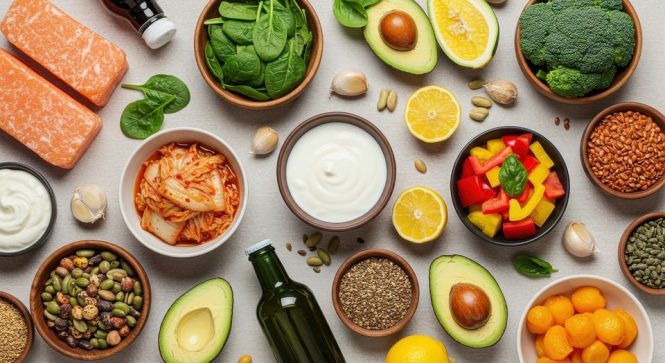
Eat Your Way to Health: The Ultimate Guide to a Balanced Diet
In today’s fast-paced world, it’s easy to get caught up in the hustle and bustle of daily life and forget about one of the most important aspects of our overall health: our diet. Eating a balanced diet is crucial for maintaining optimal health, boosting energy levels, and preventing chronic diseases. In this article, we’ll explore the ultimate guide to a balanced diet, providing you with the knowledge and tools you need to eat your way to health.
Understanding the Basics of a Balanced Diet
A balanced diet is one that provides the body with the necessary nutrients, vitamins, and minerals to function properly. It’s based on the idea of eating a variety of foods from all food groups in the right proportions. The five main food groups are:
- Fruits: Fruits are rich in vitamins, minerals, and antioxidants. Aim for at least 2-3 servings a day, including a variety of colors to ensure you’re getting a range of nutrients.
- Vegetables: Vegetables are packed with vitamins, minerals, and fiber. Aim for at least 3-5 servings a day, including dark leafy greens, bell peppers, and other colorful options.
- Protein: Protein is essential for building and repairing tissues in the body. Include a source of protein at every meal, such as lean meats, fish, eggs, dairy, or plant-based options like beans, lentils, and tofu.
- Whole Grains: Whole grains provide fiber, vitamins, and minerals. Choose whole grains like brown rice, quinoa, whole wheat bread, and whole grain pasta instead of refined or processed grains.
- Dairy: Dairy products are rich in calcium, vitamin D, and protein. Include a source of dairy at every meal, such as milk, cheese, or yogurt, or opt for dairy-free alternatives like almond milk or soy yogurt.
Key Nutrients for a Balanced Diet
In addition to the five main food groups, there are several key nutrients that are essential for a balanced diet. These include:
- Fiber: Fiber helps regulate bowel movements, lower cholesterol levels, and control blood sugar levels. Aim for 25-30 grams of fiber per day from sources like fruits, vegetables, whole grains, and legumes.
- Healthy Fats: Healthy fats like omega-3 fatty acids, monounsaturated fats, and polyunsaturated fats support heart health, brain function, and inflammation reduction. Include sources like nuts, seeds, avocados, and fatty fish in your diet.
- Vitamin D: Vitamin D is essential for bone health, immune function, and mood regulation. Include vitamin D-rich foods like fatty fish, egg yolks, and fortified dairy products in your diet, or consider taking a supplement.
- Probiotics: Probiotics support gut health, boost the immune system, and produce vitamins. Include probiotic-rich foods like yogurt, kefir, and fermented vegetables in your diet, or consider taking a supplement.
Tips for Eating a Balanced Diet
Eating a balanced diet can seem overwhelming, but with a few simple tips, you can get started on the path to healthy eating. Here are some tips to get you started:
- Eat a rainbow: Include a variety of colorful fruits and vegetables in your diet to ensure you’re getting a range of nutrients.
- Hydrate: Drink plenty of water throughout the day to stay hydrated and support overall health.
- Cook at home: Cooking at home allows you to control the ingredients and portion sizes of your meals, making it easier to eat a balanced diet.
- Limit processed foods: Processed foods are often high in unhealthy ingredients like added sugars, salt, and unhealthy fats. Limit your intake of processed foods and opt for whole, unprocessed foods instead.
- Get enough sleep: Sleep is essential for overall health, and can help regulate hunger hormones and support weight management. Aim for 7-9 hours of sleep per night.
Common Mistakes to Avoid
While eating a balanced diet can seem straightforward, there are several common mistakes that can derail your efforts. Here are some common mistakes to avoid:
- Not eating enough: Eating too few calories can lead to nutrient deficiencies, fatigue, and a range of other health problems. Make sure to eat enough to support your energy needs.
- Eating too much: On the other hand, eating too many calories can lead to weight gain, insulin resistance, and a range of other health problems. Be mindful of portion sizes and control your calorie intake.
- Not drinking enough water: Dehydration can lead to a range of health problems, from headaches and fatigue to digestive issues and skin problems. Make sure to drink plenty of water throughout the day.
- Not getting enough fiber: A low-fiber diet can lead to constipation, digestive issues, and a range of other health problems. Make sure to include plenty of fiber-rich foods in your diet.
Conclusion
Eating a balanced diet is one of the most important things you can do for your overall health and wellbeing. By understanding the basics of a balanced diet, including the five main food groups and key nutrients, and following simple tips for eating a balanced diet, you can set yourself up for success and eat your way to health. Remember to avoid common mistakes, stay hydrated, and listen to your body, and you’ll be well on your way to a healthier, happier you.


